The short answer
Window cleaning contracts set out what will be cleaned, how often, what it costs and how either side can end the arrangement. A good one protects both you and the contractor without locking you in. Before you sign, check four things: the minimum term, the notice period, the payment terms and exactly what’s included. Many businesses don’t need a formal contract at all, as long as the scope, price and notice are agreed in writing.
If you manage an office, a shop, a school or a block of flats, sooner or later a window cleaner will ask you to sign something. Some contractors insist on a long agreement before they start; others work on a simple written quote. Here’s what window cleaning contracts usually cover, the terms worth checking, and how to decide whether you need one.
Do you need a window cleaning contract?
Not always. For most regular window cleaning, what matters is that the important points are agreed in writing before the first clean: which windows, how often, the price, how visits are arranged and how either side can stop. A clear written quote and schedule can do that job.
A formal contract makes more sense when:
- Your organisation’s procurement rules require one, as many trusts, councils and larger companies do.
- You’re buying for several sites and want one set of terms across all of them.
- The work is complex, such as high-level access, out-of-hours working or strict site rules that need writing down.
- You want a fixed price or schedule agreed for a set period.
Whichever route you take, the contract should suit you, not just the contractor.
What a good window cleaning contract covers
- The scope: which buildings, elevations and windows, inside and out, and whether frames, sills, signs and entrance glass are included.
- The frequency: how often each part of the site is cleaned, and how visit dates are arranged and confirmed. How often should commercial windows be cleaned?
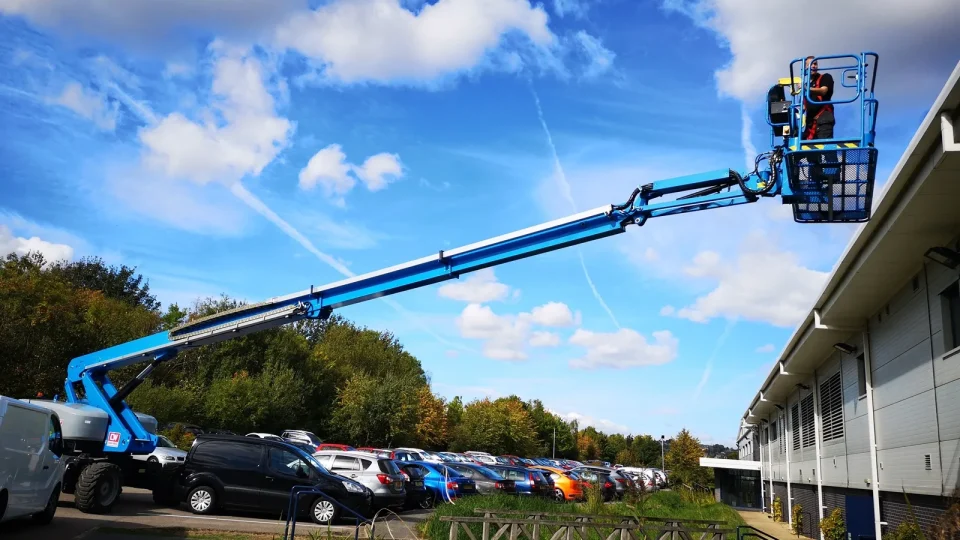
- The method and access: water-fed poles, cherry pickers or rope access, and any parking, keys or site rules.
- The price: the cost per visit, what’s extra, and how and when prices can change.
- Payment terms: when you’re invoiced and how long you have to pay.
- The term and notice: any minimum period, and how much notice either side must give to end it.
- Missed or rained-off visits: how they’re rearranged and how you’ll be told.
- Quality: what happens if you’re not happy with a clean.
- Insurance and safety paperwork: public liability and employers’ liability cover, and a risk assessment and method statement (RAMS) for your site. What paperwork to ask for.
The terms to check in window cleaning contracts
Most problems with window cleaning contracts come from a handful of terms that are easy to skim past:
- Minimum terms. A long minimum term commits you for the whole period, even if the service disappoints. Make sure you know what you’re signing up to and what you get in return, and ask whether there’s an option without one.
- Automatic renewal. Some contracts roll over for another full term unless you cancel within a narrow window. Note the date, or ask for a rolling arrangement instead.
- Long notice periods. Check how much notice you need to give, whether it must be in writing, and whether you can leave early if the service isn’t up to standard.
- Price increases. Look for how and when the price can change, and how much warning you’ll get.
- Cancellation charges. Check whether you’d be charged for cancelling visits, or for ending the contract early.
- Vague scope. If the contract just says “windows cleaned”, you may find frames, high-level glass or internal glass are charged as extras.
Business contracts don’t come with the 14-day cancellation rights that consumers get under the Consumer Contracts Regulations 2013, so read the terms before you sign, not after.
Contracts, tenders and procurement
Schools, academy trusts, councils and larger companies often buy window cleaning through a tender or a framework, using their own terms. That’s normal. A professional contractor should be happy to work to your terms, provide the insurance certificates and paperwork your procurement team asks for, and price the work against a clear specification. The clearer your specification, the easier it is to compare quotes like for like. How to choose a commercial window cleaner.
Before you sign
- Is there a minimum term, and what do we get for it?
- How much notice do we need to give to end it, and does it renew automatically?
- Exactly what’s included on every visit, and what costs extra?
- When will we be invoiced, and how long do we have to pay?
- How are visits confirmed, and what happens if one is missed or rained off?
- Can we see your insurance certificates now, and your RAMS once we accept?
How we work
Contracts are optional with us, and there’s no minimum term. If you decide to stop, we just ask for 30 days’ notice. We invoice after each visit, with 30 days to pay. If you want a written contract, for your procurement process or your own records, we’ll provide one.
The same terms apply wherever you are, whether that’s commercial window cleaning in Sheffield or a site in Rotherham, Doncaster or Barnsley.
Every quote sets out what we’ll clean and how often, and our insurance certificates come with it. Once you’ve accepted, we prepare a risk assessment and method statement for your site, free of charge. Visits are scheduled in advance and confirmed with you, and if the weather stops a clean, we’ll email you a new date to confirm. What affects the price, or get a quote.
Questions
Do I need a contract for commercial window cleaning?
Not always. What matters is that the scope, frequency, price and notice are agreed in writing. A formal contract is useful if your procurement rules require one, or if you’re buying for several sites.
Is there a minimum term with Wrights Cleaning?
No. Contracts are optional and there’s no minimum term. If you decide to stop, we ask for 30 days’ notice.
When do you invoice?
After each visit, with 30 days to pay.
Can you provide a written contract?
Yes. If you’d like a written contract for your procurement process or records, we’ll provide one.
Can I cancel a business contract within 14 days?
Not automatically. The 14-day cancellation rights in the Consumer Contracts Regulations protect consumers, not businesses, so check the contract’s own terms before you sign.
Photo: Kaboompics on Pexels.